

Introduction
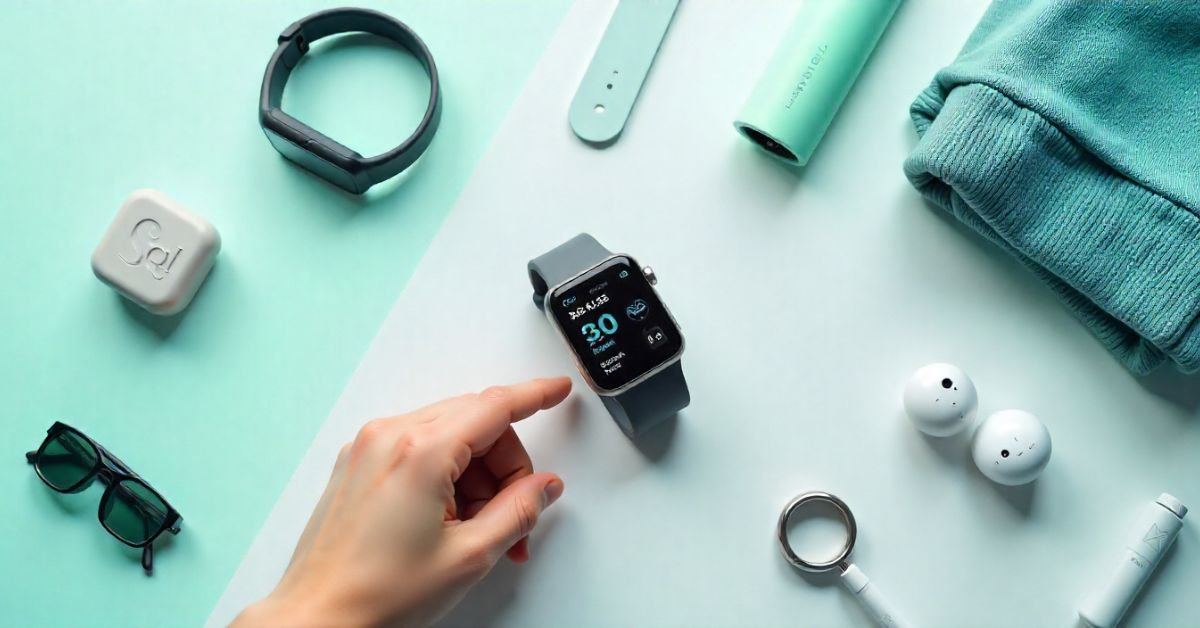
Smart devices that you wear on your body have changed our daily lives. These gadgets help us stay fit, sleep better, and even catch health problems early. From fitness bands to smartwatches, millions of people now use these helpful tools every day.
In 2025, wearable technology trends show us something amazing. These devices are not just cool toys anymore. They have become real health helpers. Doctors look at data from smartwatches to help sick people. Sports players use smart clothes to play better. Even old people wear devices that call for help if they fall down.
This guide will show you everything about body-worn gadgets right now. You will learn about new features, health benefits, and what is coming next. Whether you want to buy your first fitness band or get a better smartwatch, this article will help you pick the right one.
Let us see how these small gadgets are making big changes in our lives.
Why Everyone Wants Smart Gadgets Now
More people than ever are buying smart devices to wear. In 2025, over 500 million people around the world use some kind of smart gadget on their body.
Why is this happening? There are many good reasons.
First, the technology has become much better. Batteries last longer now. Screens are clear and easy to read. The tiny sensors inside can tell many things about your body. Second, prices have gone down a lot. You can buy a good fitness band for less than $50 now. Third, people care more about their health these days.
Health Features That Can Save Your Life
The health tools in smart devices have become super powerful. What started as simple step counters now includes tech that can find serious health problems.
Heart checking is one of the biggest improvements. Many smartwatches can now find a heart problem called “irregular heartbeat.” This problem can cause strokes if not treated. Many people found their heart problems through their watches and got help in time. The health department in America has said yes to several watches for this medical use.
Blood oxygen checking became normal in recent years. This feature tells how much oxygen is in your blood. This helps find breathing problems early. Sleep tracking has also become much better. New devices can tell if you are in light sleep, deep sleep, or dream sleep. They can even find sleep problems where you stop breathing at night.
| Health Feature | What It Checks | Why It Helps |
|---|---|---|
| Heart Rate | How fast your heart beats | Finds heart problems early |
| Blood Oxygen | Oxygen in your blood | Shows breathing issues |
| Sleep Tracking | How well you sleep | Helps you rest better |
| Stress Checking | How stressed you feel | Keeps your mind healthy |
| Body Temperature | How hot or cold you are | Spots fever or sickness |
| Blood Pressure | Force of blood in your body | Watches heart health |
Smart Rings and Other New Shapes
Not everyone likes wearing a watch. That is why smart rings have become one of the hottest wearable technology trends in 2025. These tiny gadgets put amazing tech in something small you wear on your finger.
The Samsung Galaxy Ring and Oura Ring are the most popular ones. They track sleep better than most watches because they sit closer to your blood vessels. The sensors get more correct heart rate and body heat readings. Many people wear a smart ring at night and a watch during the day.
Smart glasses are also coming back. Meta’s Ray-Ban smart glasses let you take photos, listen to songs, and even talk to an AI helper. Unlike old smart glasses that looked weird, these look like normal sunglasses that people actually want to wear.
How AI Makes Everything Smarter
AI has changed what these gadgets can do. In 2025, your smartwatch does not just collect information. It actually understands what the information means and gives you personal tips.
The AI in new devices learns your habits over time. It knows when you usually wake up, how much sleep you need, and what your normal heart rate looks like. When something seems different from your usual pattern, it tells you right away. This personal approach makes the tips much more useful.
Voice helpers have become much smarter too. You can have real talks with your watch. Ask it about your health data, and it explains things in simple words. Ask for workout ideas, and it thinks about how you slept and how hard you worked out before answering.
Battery Life Gets Much Better
One of the biggest complaints about smartwatches has always been battery life. Nobody wants to charge their watch every single day. In 2025, this problem is finally getting fixed.
New chips inside these devices use much less power than before. Some watches now last two weeks on one charge while still giving you all features. Fitness bands with simpler screens can last a month or more. This makes these gadgets much easier to use every day.
| Charging Type | How Long to Charge | How Long Battery Lasts |
|---|---|---|
| Normal USB Cable | 1.5-2 hours | 1-2 days |
| Fast Charging | 20-45 minutes | 1-2 days |
| Solar Power | Charges all the time | 2-4 weeks |
| Wireless Pad | 1-2 hours | 1-2 days |
| Charge from Phone | 1-2 hours | 1-2 days |
Keeping Your Information Safe
These gadgets collect lots of personal health information. Your smartwatch knows when you sleep, where you go, and how healthy you are. That information needs good protection.
Companies have added better safety features. Most devices now need your fingerprint or a secret code to open. Your data is scrambled so bad people cannot read it. Some brands let you keep all data only on your device without sending it anywhere.
New laws in many countries give you more power over your health data. You can usually download everything your device has saved about you. You can also delete it forever if you want. Many places have made strict rules about how companies can use your information.
Sports and Fitness Uses
People who love sports and exercise use smart devices to get better at what they do. The wearable technology trends in sports have moved way past simple step counting. Running watches now have features that only Olympic athletes had a few years ago. They look at how you run, tell you how hard to train, and guess your race times based on how fit you are. Built-in maps help runners explore new paths without getting lost.
Swimming tracking has gotten much better. Waterproof devices can count your laps, know which swimming style you are using, and tell how good you are in the water. Some pools have special systems that connect with your watch for even more details. Team sports benefit too. Football, basketball, and soccer teams use smart vests that track how players move during games. Coaches can see exactly how far each player ran and how hard they worked. This helps stop injuries from too much training.
Using Smart Devices at Work
Smart gadgets have found important uses outside of health and sports. In many workplaces, these devices help people work better and stay safe. Factory workers in some companies wear devices that catch dangerous movements. They warn about things that could cause injuries. If someone bends in a way that could hurt their back, the device shakes as a reminder to move correctly. This has lowered workplace injuries a lot.
Office workers use smartwatches to manage their time better. Getting messages on your wrist means you do not have to pick up your phone all the time. Some people set their devices to only show important alerts during work time. People who work from home like features that remind them to move and take breaks. Sitting all day causes health problems. Gentle reminders help build better habits. Stand up alerts, breathing exercises, and stretch reminders have become popular features.
What Is Coming Next
Looking ahead, experts see even more exciting things coming soon. The next few years will bring features that seem like magic today. Blood sugar checking without needles is what everyone is working on. Right now, people with diabetes must poke their fingers to check blood sugar. Several companies are close to letting smartwatches check blood sugar without any needles. This would change life for millions of people around the world.
Brain control is moving from science labs to real products. Simple versions might let you control your watch with thoughts instead of touching it. More advanced uses could help people with disabilities talk and do things more easily. Real medical tests are becoming more common in regular devices. Health departments are saying yes to more health features. One day, your watch might replace several trips to the doctor for normal check-ups.
How to Pick the Right Device for You
With so many choices out there, picking the right device can feel hard. Start by thinking about what matters most to you. If health tracking is your main goal, look for devices with medical approval. Samsung, Apple, and Fitbit are leaders here. Check which health features you care about and make sure the device has them.
For people who love exercise, think about Garmin watches. They offer the most detailed sports tracking. Runners, bikers, and outdoor lovers often like these special devices more than regular smartwatches. Money matters too. You can find great fitness bands under $100 that do basic things well. Fancy smartwatches cost $300 to $500 but have more features and last longer. Smart rings usually cost $200 to $400.
FAQs
Are smartwatches good enough for medical use?
Many new devices have medical approval for things like heart checking, but they should help doctors, not replace them.
How long do smart gadgets last?
Most good devices work well for 3-5 years, but batteries may get weaker over time.
Can I swim with my smartwatch?
Most new smartwatches can handle water up to 50 meters deep and have special swimming features.
Do these devices work without a phone?
Some devices can work alone with their own internet, but most work better when connected to a phone.
Is my health information safe?
Good brands use safety measures to protect your data, but you should check privacy settings and control what information you share.
Conclusion
Smart devices you wear in 2025 have something for everyone. From life-saving health features to easy daily tools, these gadgets have shown their worth. The wearable technology trends we see today point to an even more connected future.
The key is finding the right device for what you need and using it every day. Even basic fitness bands can make you healthier when you pay attention to what they tell you. Fancier devices give you details that were impossible to get outside hospitals just a few years ago.
As you think about joining the millions of people who use these devices, remember that the technology keeps getting better. Whatever you pick today will seem basic in a few years. But starting now means you begin collecting useful health information right away.
Take action now: Go to a nearby electronics store this week. Try on different devices. Feel how heavy they are. Check if the screen is easy to read. See which style looks good on you. Your healthier future self will thank you for doing something today.