

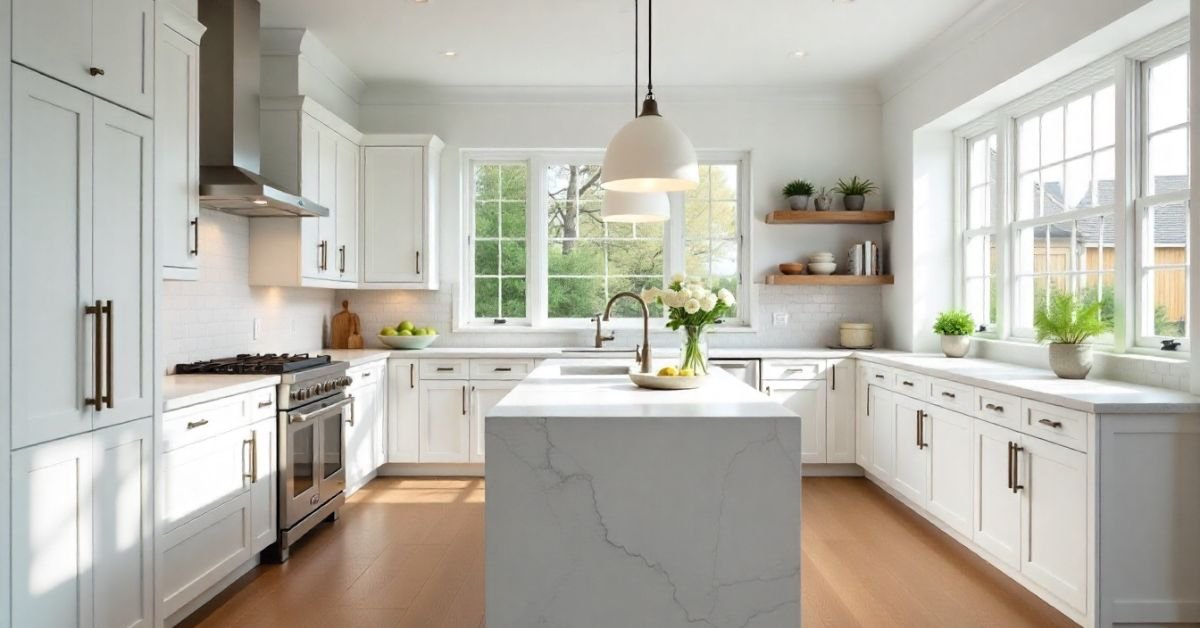
Introduction
Your kitchen is the heart of your home. It’s where you cook meals, share stories, and make memories. But what happens when this important space feels old or doesn’t work well anymore? That’s when a kitchen renovation becomes the perfect solution.
In 2025, homeowners are spending more money than ever to update their kitchens. According to the National Association of Home Builders, the average project now costs between $25,000 and $75,000. But here’s the good news: a well-planned update can return up to 75% of your investment when you sell your home.
This guide will walk you through everything you need to know. From planning your budget to choosing the right materials, we cover it all. Whether you want a small refresh or a complete transformation, you’ll find helpful tips here. We’ve researched the top articles on this topic and added extra insights they missed.
Why Updating Your Cooking Space Matters More Than Ever
The way we use our kitchens has changed a lot. Today, this room serves many purposes. People work from home at kitchen counters. Families gather here instead of living rooms. Kids do homework while parents cook dinner.
A modern cooking space needs to handle all these activities. Old layouts often don’t work for today’s busy families. Narrow walkways make cooking frustrating. Limited counter space creates clutter. Poor lighting strains your eyes. These problems affect your daily life more than you might realize.
Updating your space also saves money on energy bills. New appliances use less electricity. Better insulation keeps the room comfortable. LED lights last longer and cost less to run. The U.S. Department of Energy reports that modern refrigerators use 40% less energy than models from 15 years ago.
Planning Your Budget: Smart Money Decisions
Before you pick paint colors or cabinet styles, you need a realistic budget. Many homeowners make the mistake of underestimating costs. This leads to stress and unfinished projects.
Start by deciding how much you can comfortably spend. Financial experts suggest keeping your total cost under 15% of your home’s value. For a $400,000 home, that means spending no more than $60,000. This protects your investment and prevents overspending.
Budget Breakdown Table
| Category | Percentage of Budget | Example ($40,000 Total) |
|---|---|---|
| Cabinets and Hardware | 30-35% | $12,000-$14,000 |
| Labor and Installation | 20-25% | $8,000-$10,000 |
| Appliances | 15-20% | $6,000-$8,000 |
| Countertops | 10-15% | $4,000-$6,000 |
| Flooring | 5-10% | $2,000-$4,000 |
| Lighting and Electrical | 5-7% | $2,000-$2,800 |
| Unexpected Costs | 10-15% | $4,000-$6,000 |
Always set aside money for surprises. Hidden water damage, old wiring, or plumbing problems often appear during construction. That emergency fund keeps your project moving forward without panic.
Choosing the Right Layout for Your Lifestyle
The layout determines how well your space works. A beautiful kitchen that functions poorly will frustrate you every day. Think carefully about how you actually cook and live.
The most popular layouts in 2025 include L-shaped, U-shaped, galley, and open-concept designs. Each has advantages depending on your space and needs. L-shaped works great for smaller homes. U-shaped offers maximum storage. Galley designs create efficient work triangles. Open concepts connect cooking and living areas.
Consider the “work triangle” when planning. This connects your stove, sink, and refrigerator. The total distance between these three points should be 13 to 26 feet. Too short makes the space cramped. Too long makes cooking tiring.
Cabinet Selection: Quality That Lasts
Cabinets take the biggest chunk of your budget. They also have the biggest visual impact. Choosing wisely here makes or breaks your entire project.
You have three main options: stock, semi-custom, and custom cabinets. Stock cabinets come pre-made in standard sizes. They cost less but offer limited choices. Semi-custom allows some modifications to stock designs. Custom cabinets are built exactly to your specifications.
Cabinet Comparison Chart
| Feature | Stock | Semi-Custom | Custom |
|---|---|---|---|
| Price Range | $100-$300 per linear foot | $150-$650 per linear foot | $500-$1,200 per linear foot |
| Lead Time | 1-2 weeks | 4-8 weeks | 10-16 weeks |
| Material Options | Limited | Moderate | Unlimited |
| Size Flexibility | Standard only | Some modifications | Completely flexible |
| Best For | Tight budgets | Balance of cost and choice | Unique spaces |
In 2025, painted cabinets remain popular. White and light gray still dominate, but warm wood tones are returning. Natural oak and walnut add character that painted surfaces can’t match. Two-tone designs mixing colors also trend strongly this year.
Countertop Materials: Beauty Meets Function
Your countertops work hard every day. They must resist heat, stains, scratches, and daily wear. But they should also look beautiful for years to come.
Quartz remains the most popular choice in 2025. It requires almost no maintenance. You don’t need to seal it. It resists staining better than natural stone. Prices range from $50 to $150 per square foot installed.
Granite still has loyal fans. Each slab is unique, which appeals to many homeowners. It costs slightly less than premium quartz but needs regular sealing. Marble looks stunning but stains easily. It works best for those who accept its imperfections as character.
Appliance Upgrades Worth Your Investment
Modern appliances make cooking easier and more enjoyable. They also use less energy than older models. Upgrading makes sense for both convenience and savings.
The most important appliance is your refrigerator. It runs 24 hours a day, every day. Energy Star certified models save about $100 yearly on electricity. French door styles remain popular because they offer easy access and flexible storage.
Induction cooktops are gaining popularity fast. They heat pans directly through magnetic fields. Water boils faster. The surface stays cool to touch. Cleanup is simple because spills don’t burn on. The downside? Your pots and pans must be magnetic. Cast iron and stainless steel work fine. Copper and aluminum don’t.
Lighting Design That Transforms Your Space
Good lighting changes everything about how a room feels and functions. Most older kitchens have only one ceiling light. That creates shadows and makes cooking difficult.
A proper lighting plan includes three types: ambient, task, and accent. Ambient lighting provides overall brightness. Recessed ceiling lights work well for this. Task lighting focuses on work areas like counters and sinks. Under-cabinet lights are perfect here. Accent lighting highlights features like open shelving or artwork.
Natural light matters too. If possible, add or enlarge windows. Skylights bring light into interior spaces. The well-being benefits of natural light are well documented by health researchers.
Flooring Options That Handle Heavy Traffic
Kitchen floors take serious abuse. Spills, dropped items, constant foot traffic, and heavy appliances all test their durability. Choose materials that can handle the pressure.
Luxury vinyl plank has become the most popular choice. It looks like real wood but handles moisture perfectly. It’s softer underfoot than tile, which reduces fatigue. Installation is often easy enough for DIY homeowners. Prices range from $2 to $7 per square foot.
Porcelain tile offers unmatched durability. It won’t scratch, dent, or stain. Large format tiles with minimal grout lines create clean, modern looks. However, tile feels hard and cold. Standing for long periods can tire your legs and back.
Hiring Contractors: Finding the Right Team
Unless you’re highly skilled, you’ll need professional help. The right contractor makes your project smooth. The wrong one creates nightmares. Take hiring seriously.
Start by getting at least three detailed quotes. Cheap isn’t always best. Extremely low bids often mean corners will be cut. Compare what each quote includes. Some contractors include permits and cleanup. Others charge extra for everything.
Check credentials carefully. Valid licenses protect you legally. Insurance prevents you from paying for accidents. References from recent clients reveal true work quality. Look at online reviews but don’t trust perfect scores. A few complaints with professional responses show honesty.
Timeline Expectations: How Long Will This Take
Setting realistic timeline expectations prevents frustration. Most projects take longer than homeowners initially expect. Understanding the phases helps you plan.
A minor refresh with new paint, hardware, and appliances takes one to two weeks. A moderate update with new countertops and cabinet refacing takes three to five weeks. A complete kitchen renovation with layout changes typically takes eight to twelve weeks or longer.
Several factors affect your timeline. Custom cabinets require extra lead time for manufacturing. Permit approvals vary by location from days to weeks. Unexpected problems like hidden damage add time. Material delays, especially for special orders, can pause work.
FAQs
How much does a complete cooking space update cost in 2025?
Expect to spend between $25,000 and $75,000 for a mid-range project, with luxury updates exceeding $100,000.
How long before I can use my new cooking space?
Most projects take 8 to 12 weeks from demolition to completion, depending on complexity.
Should I move out during construction?
Most families stay home but set up a temporary food prep area in another room.
What updates add the most home value?
New cabinets, modern countertops, and updated appliances provide the best return on investment.
Can I do some work myself to save money?
Yes, painting, demolition, and simple installations are good DIY tasks if you have basic skills.
Conclusion
Updating your cooking space is a big decision that requires careful planning. From setting a realistic budget to choosing the right materials and hiring qualified professionals, each step matters. The process may feel overwhelming at first, but breaking it into manageable parts makes success possible.
Remember that this project is an investment in your daily happiness. You’ll spend hours in this room every week for years to come. Quality materials and good design pay off through better function and lasting beauty.
Take your time making decisions. Rush leads to regret. Visit showrooms to see materials in person. Talk to friends who’ve completed similar projects. Read reviews and check references.
Ready to start planning your dream cooking space? Create a folder for inspiration images, list your must-have features, and begin researching local contractors. Your perfect space is waiting to become reality.